

TTC celebrates Black History Month with artistic images and inspiring stories that move us
As we mark Black History Month in February, the TTC is proudly celebrating the stories of seven Black community leaders and changemakers, historic places and movements that have shaped and inspire the City of Toronto and generations of people with a special exhibit.
“Past, Present, Proud: Stories that move us” is a celebration of Black culture, creativity and legacy told through photography, storytelling and transit spaces across the city. Seven subway stations will serve as a canvas for a gallery of compelling images connecting riders to the vibrant soul of Toronto’s Black communities.
“Past, Present, Proud: Stories that move us” was developed in partnership with Blackhurst Cultural Centre, a non-profit hub offering experiences that celebrate the rich culture of African and Caribbean Canadians.
The works will be on display at select Line 1 (Yonge-University) and Line 2 (Bloor-Danforth) stations throughout the month of February.

Wendy Jones, Pan Fantasy
Digital Poster at Finch West Station
As co-founder and the only female band leader of the award-winning Pan Fantasy, the “Queen of the Bass” uses steel pan as a cultural tool to inspire youth, ignite leadership skills and influence social change.
Photography by Rose-Ann Bailey

Dudley Laws
Digital Poster at Osgoode Station
His tireless activism shone the light on racism, discrimination, and injusticeand ultimately contributed to the creation of the Special Investigations Unit (SIU), which increased civilian oversight of police in the province.
Photos courtesy of the Dudley Laws family

Weyni Mengesha
Mural and Digital Poster at Kennedy Station
From her roots in Scarborough and Soulpepper Theatre Company to the world’s stages, this multihyphenate stage and film director, composer, producer, and educator ignites cultural conversations and creates indelible impact.
Photography by Michael Chambers

Contrast
Digital Poster at Spadina Station
Known as “the eyes, ears and voice of the Black community,” Contrast was more than just a newspaper— it promoted Black businesses, supported immigrants and shone a light on injustice. Its rigorous journalism made the city a better place.

First Baptist Church
Digital Poster at TMU Station
Founded by 12 runaway enslaved people, this institution was a leading centre of abolitionist activity in Toronto. Two centuries later, it remains committed to the legacy, courage, and vision of its founders.
Photography by Neal Edwards – TTC Employee

Little Jamaica
Digital Poster at Cedarvale Station
A commercial hub for Black and Caribbean businesses starting in the 1970s, this vibrant area was also a centre of Toronto’s reggae culture with recording studios and record shops dotted amongst the beauty salons, restaurants and Jamaican patty outlets.
Photography by Sean Harrison

West Indian Domestic Scheme, 1955-1967
Mural and Digital Poster at Bathurst Station
Overcoming discrimination and isolation, more than 3,000 women came to Canada as domestic workers from the Caribbean and opened doors for many others, helping to transform cities like Toronto into hubs of Caribbean culture and excellence.
Photography by Anthony Gebrehiwot
Anthony Gebrehiwot
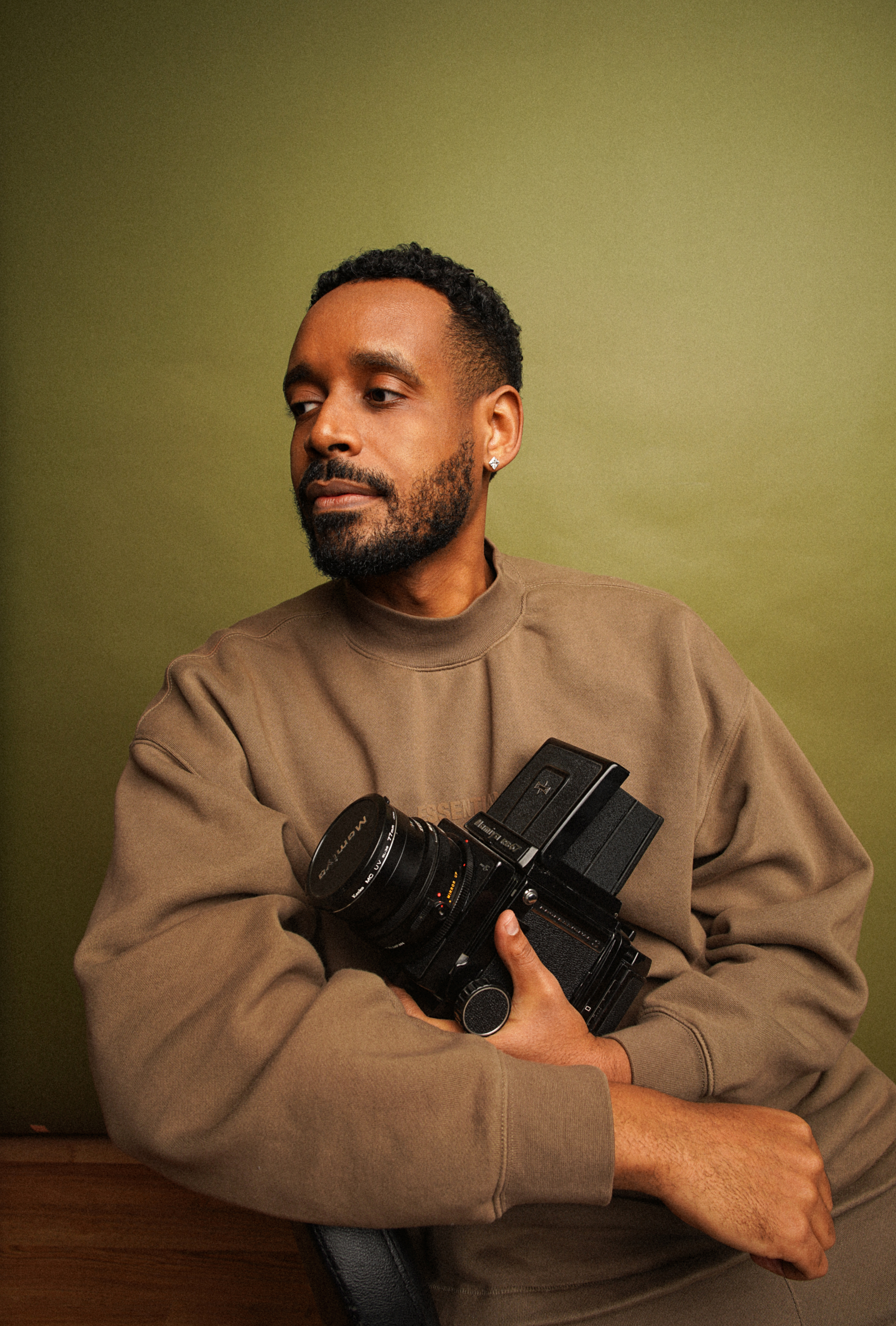
Anthony Gebrehiwot is an award-winning Scarborough-based photographer and community leader whose work uses portraiture to explore race, masculinity, memory, and emotional truth. Rooted in Toronto’s Black and Pan-African diaspora communities, he has documented local poets, musicians, and artists, including as a former resident photographer at R.I.S.E. Edutainment, and has mentored youth through organizations such as Nia Centre for the Arts and The Power Plant.
In "The Hands That Shaped Us", Anthony Gebrehiwot photographs Black artists alongside their mothers to honour the labour, sacrifice, and love that quietly shape creative life across generations. His portrait of Charmaine Lurch with her mother, Cynthia Lawson Lurch, traces a legacy carried through migration and work, including Cynthia’s journey to Canada through the West Indian Domestic Scheme (1955–1967) and her 1964 arrival as a psychiatric nurse. The image also connects personal history to Toronto’s transit story through Charmaine’s work on Lucie and Thornton Blackburn, whose horse-drawn cab helped inspire the TTC’s early colours and remains part of the city’s transportation legacy.
Michael Chambers
.jpg?rev=0834d5b762b94d9e92ec358ed1f4d174&hash=923C1BD5D93AA572414294631D0E8E98)
Michael Chambers is a Toronto-based photographic artist and curator whose work has been published and exhibited internationally, including at major Canadian institutions such as the McMichael Canadian Art Collection and the Royal Ontario Museum. Rooted in African awareness, Black history, and the resilience of the human spirit, Chambers creates images that centre Black people and cultures with clarity, care, and depth.
A graduate of York University and the inaugural photo editor and creative director of WORD Magazine, Chambers has contributed to award-winning film and television productions and received the Harry Jerome Award in 2010. Most recently, Chambers was appointed Darkroom Artist-in-Residence (2025–26) with the Hart House Camera Club at the University of Toronto.
In his portrait of director Weyni Mengesha, Chambers honours the spirit behind her storytelling. “I have always been captivated by the grace and generosity of director of stage and screen, Weyni Mengesha, a most incredible storyteller.”
Sean Harrison
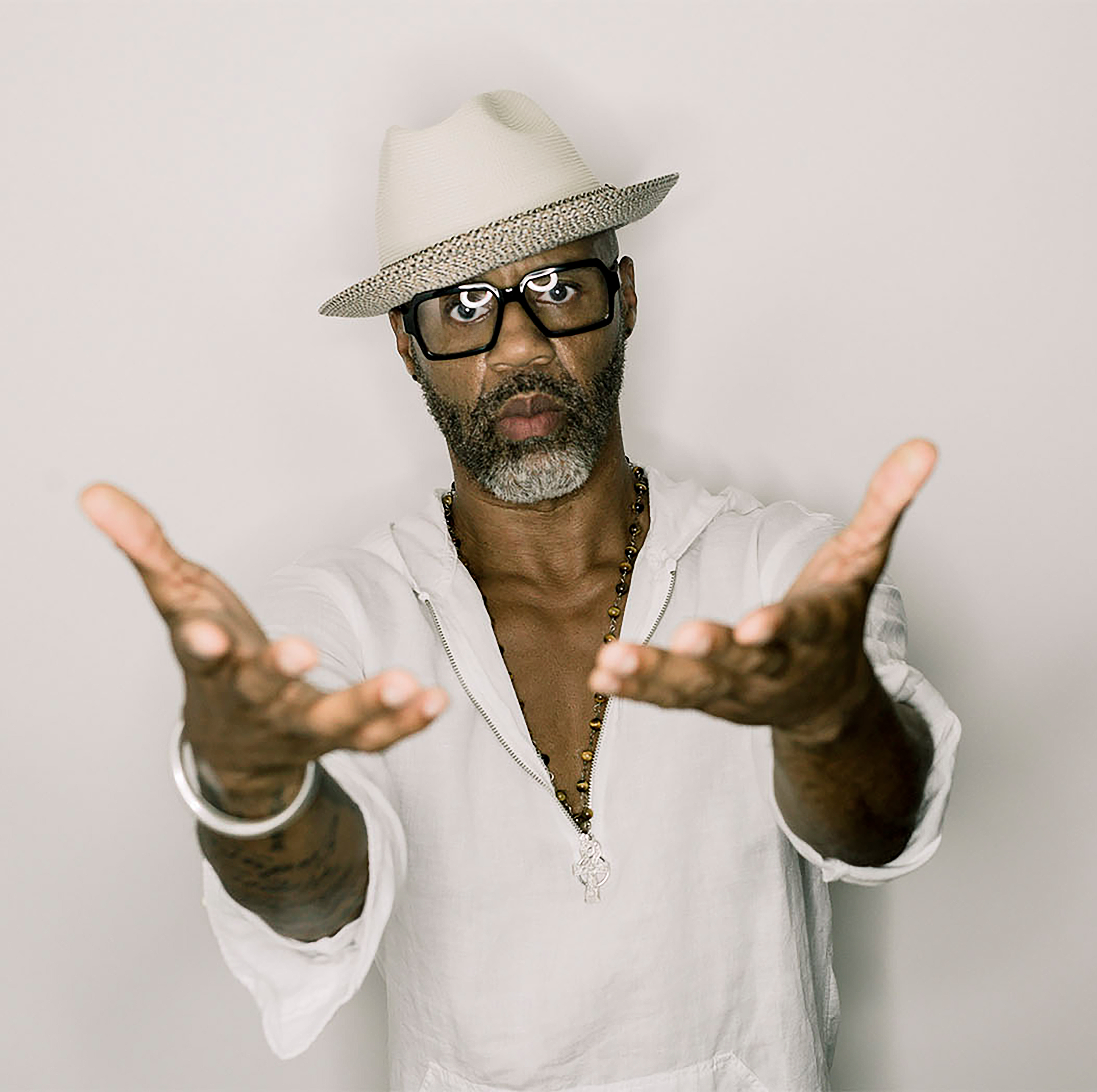
Sean Harrison is a photographer, videographer, and visual storyteller whose work explores identity, culture, and the richness of the Black experience. Through portraiture, documentary work, and collaborative projects, he captures moments of truth, resilience, and vulnerability, creating images that aim to heal, inspire, and empower. His work has been exhibited internationally, including Barbados on the Water at Harbourfront Centre (Toronto) and Inner Visions Portrait Exhibit (Maryland).
For the Little Jamaica Project, Sean’s photography is rooted in lived connection and memory. As a child, Little Jamaica was “the place where I found familiarity, rhythm, and pride,” shaped by barbershops, corner stores, and the faces that made the neighbourhood feel like home. Returning to photograph it now is a full-circle opportunity to honour its resilience and preserve the spirit of the community that shaped him.
Neal Edwards
.jpg?rev=90cf87d9c56f4a7487867f6f5e742dd0&hash=3D10C6247CBBA5916CD958A454E0A87E)
Neal Edwards, professionally known as Neddy Nyce, is a Toronto-based photographer and co-founder of 2 Nyce Photography, established in 2005. With a strong eye for detail and a storytelling approach, his work captures real moments with clarity, emotion, and style. He is also a Toronto Transit Commission (TTC) employee, bringing both professional and community perspective to his photography.
For the First Baptist Church Project, he photographed the church as a place rooted in warmth, familiarity, and community. “It gave me a sense of being at home, like this is where I belong.”
Rose-Ann Marie Bailey
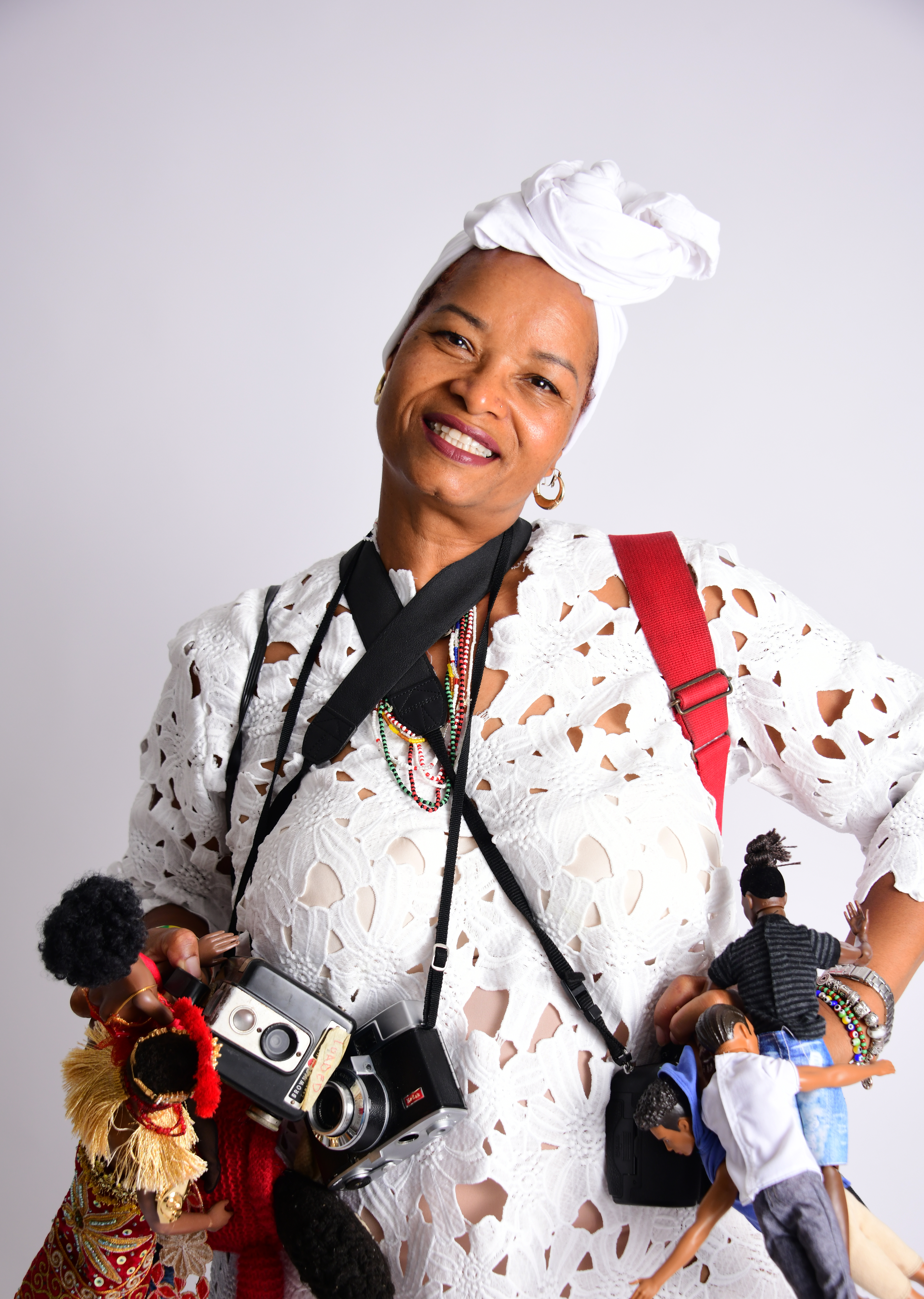
Rose-Ann Marie Bailey is a Jamaican-born artist and photographer based in Toronto. She began using photography to document alternative images of Black people beyond the narrow portrayals often shaped by mainstream media. A graduate of York University, she holds a Bachelor of Fine Arts, a Bachelor of Education, and a Master of Education focused on arts-based community health research. Her work centres racialized, non-conforming sexual and gender identities, using portraiture to preserve memory, affirm presence, and challenge limiting assumptions about Black personhood.
For the TTC’s 2026 Black History Month campaign, Bailey photographed steel pan pioneer Wendy Jones with deep respect for her decades of cultural contribution and the legacy she continues to build through Caribbean music in Toronto. Shaped by her own early connection to Caribana and steel pan culture, Bailey approaches this project as both tribute and record-keeping, ensuring that Black and Caribbean histories are seen, honoured, and remembered beyond the moment.