

Staff Spotlight: Meet Chris
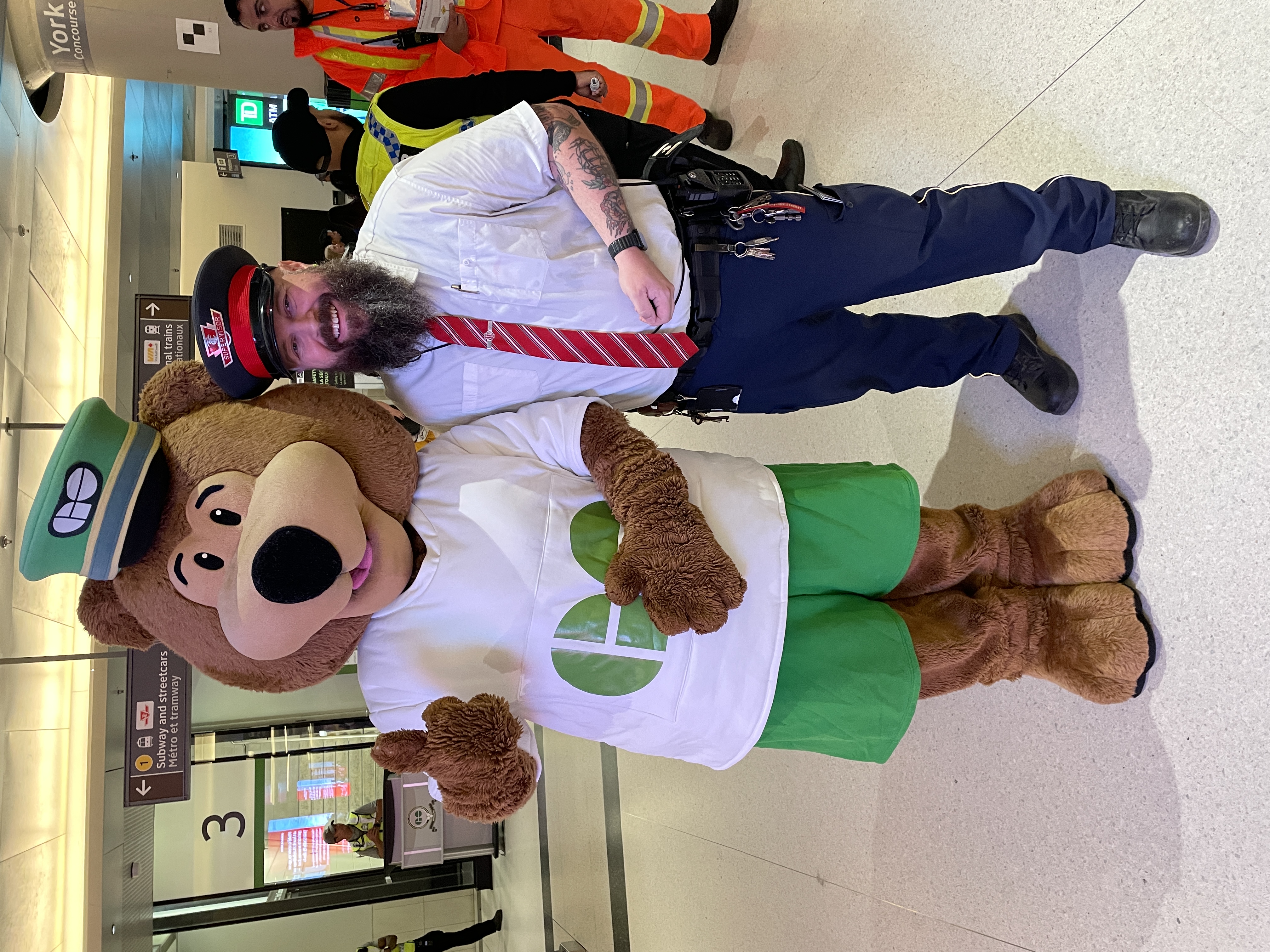
Chris, Mobile Supervisor, Transit Control
Keeping the TTC moving safely involves a lot of work customers may never see, from identifying risks and strengthening procedures to responding when incidents happen and much more.
Chris has been with the TTC for 10 years and is currently a Mobile Supervisor at Transit Control, working alongside TTC teams and emergency services to manage incidents and help restore regular service.
September 21-27, 2026 is Operation Lifesaver Canada’s Rail Safety Week, an annual campaign that raises awareness about rail safety and the importance of staying alert around tracks and trains.
For this Staff Spotlight, Chris shares how he got started in rail transportation, his involvement with Operation Lifesaver, and why rail safety has become such an important part of his work.
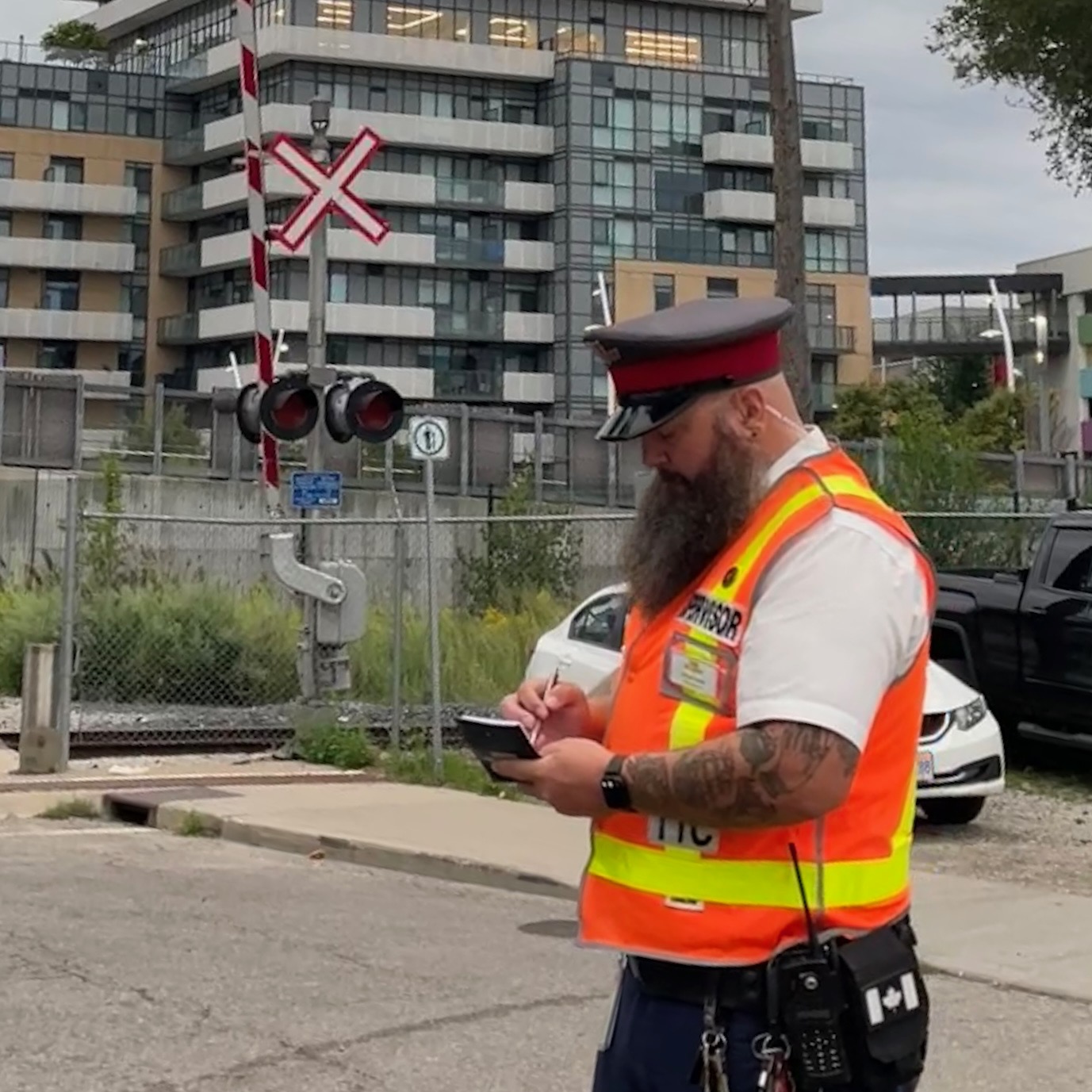
Earliest memory of the TTC
When I was very small – maybe three or four years old – I lived near Greenwood Racetrack. I remember watching the streetcars roll by.
How did you get started in this line of work?
I stumbled into working in rail, but it was an incredibly fortunate stumble! I was looking for information about the Canadian National Railway (CN) Police Services and noticed a posting for a conductor. It looked interesting, so I applied.
At the time, CN crews ran the GO trains that worked on CN Rail corridors. I worked on a lot of those GO crews because of the schedules they had. While working at CN, I learned I really enjoyed working in transportation.
After leaving CN, I applied for the TTC and was hired as a streetcar operator. I loved that work and driving the Canadian Light Rail Vehicle (CLRV) streetcars that I’d watched as a kid was more fun than I had imagined!
After some time in streetcars, I wanted to move into the subways on the Bloor-Danforth line to have the experience. After getting more and more rail vehicle qualifications, I decided to make the leap into the supervisor role, and I feel it was absolutely the right choice for me.
As a Mobile Supervisor, what do you do?
My primary role is incident response. We respond to incidents across the system and help get regular service running again. We communicate with Transit Control to ensure the correct resources are sent where they’re needed.
Mobile Supervisors also work with outside agencies including police, fire, and paramedics, to resolve emergencies and even support those agencies in non-transit incidents, such as providing shelter buses during building fires.
When we’re not actively responding to calls, we also monitor service and infrastructure to prevent possible delays from occurring.
What does a typical day look like for you?
This job has variable shifts and work locations, as well as shift length. I arrive early enough to check my vehicle and move my equipment into place. If there are no pending calls when I arrive, I usually make my way to a subway station where I might be able to respond to the kind of delays that impact the most people.
I make every effort to complete my reports immediately after responding to calls, but the nature of incident response is that it’s not always possible. Breaks and meals are also variable due to the nature of the work.
When my shift winds down, I make my way to my relief point, complete any reports, and ensure the vehicle is ready for the next Mobile Supervisor to take over.
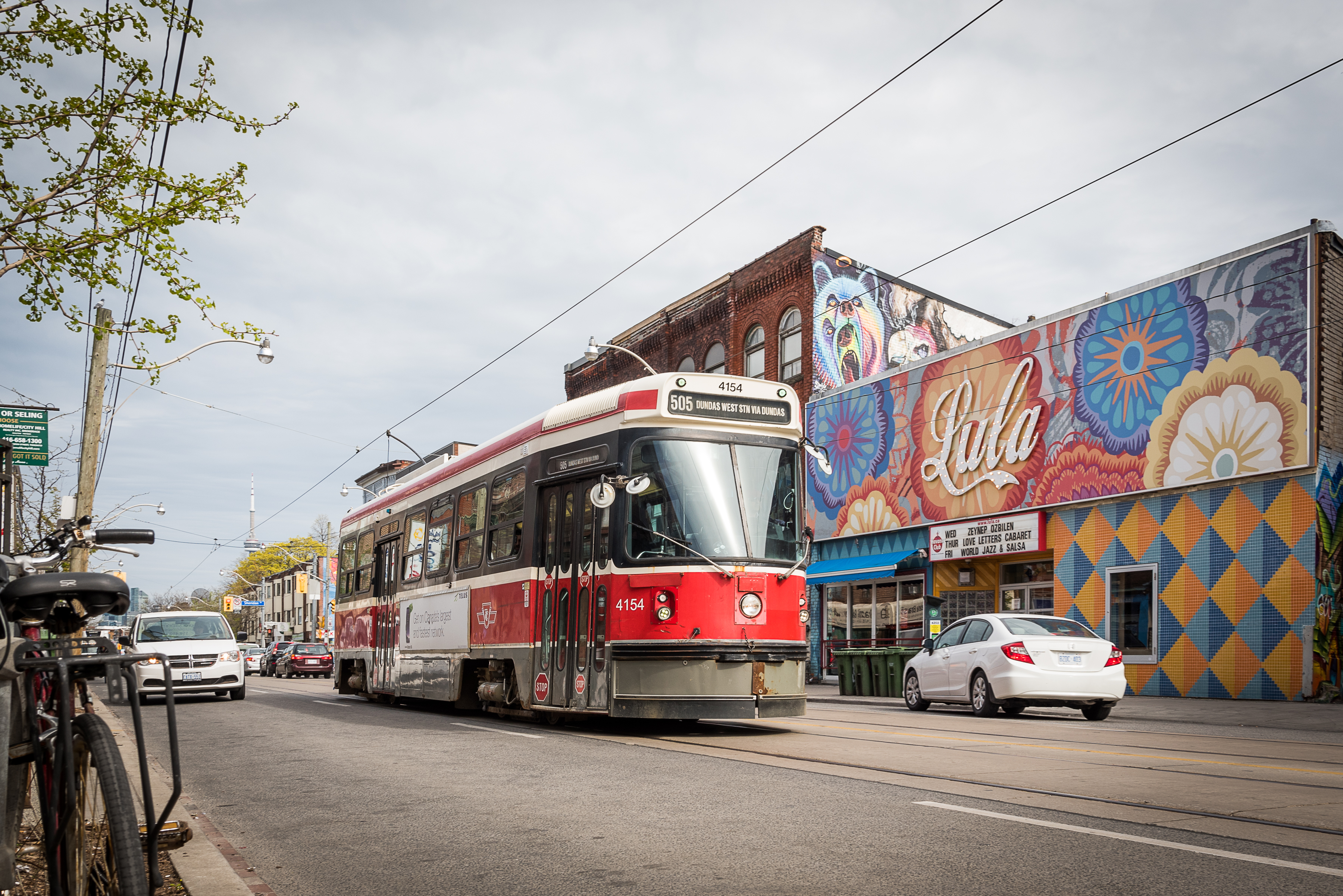
A legacy CLRV streetcar, one of the iconic vehicles Chris watched as a child and later operated before the fleet was retired in 2019.
What’s the most challenging part of your job?
There are times where things are just unexpected. Whether it’s an incident that’s physically exhausting, or one that’s emotionally exhausting – sometimes things happen that you would never guess you’d be encountering that day.
It can be difficult to know how to proceed with some incidents. This is where the team around me is so important – there’s no shortage of support.
Tell us about your work with Operation Lifesaver and how it connects to your role at the TTC.
I volunteer with Operation Lifesaver as a Rail Safety Ambassador and am currently serving as the Central Ontario Lead. In the past, I worked as a railway conductor at CN Rail, working on freight and GO trains. At the TTC I was a streetcar, subway, and SRT operator prior to moving into the Supervisor role. Each of these rail vehicle types has different hazards.
In my current role as a Mobile Supervisor, I attend emergencies at track level and work with emergency services to ensure the crews are aware of the hazards and that the response is executed safely.
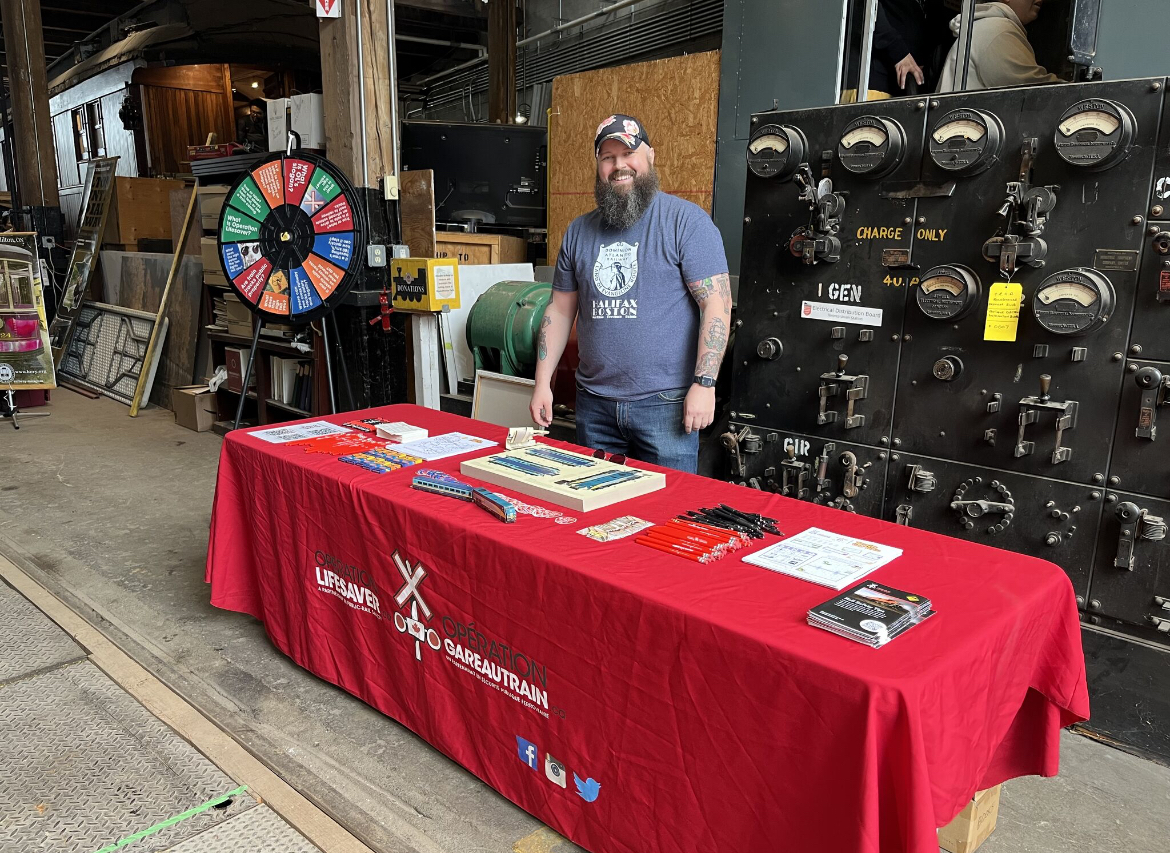
My rail experience has made me passionate about rail safety. Operation Lifesaver is an organization made up of volunteers from numerous rail organizations attending schools and community events to teach the public about rail safety. In the last few years, I have worked on bringing a commuter and light rail safety message to the conversation using my past experience as a conductor to add to the discussion of heavy and light rail safety challenges.
Leading up to Rail Safety Week over the last few years, I have acted on behalf of Operation Lifesaver to work on welcoming the participation of the TTC at Operation Lifesaver events and bringing Operation Lifesaver materials and participation to TTC events.
I have been fortunate to have met and worked with some amazing people in the Safety, Health & Environment and the Community Stakeholder Relations departments, as well as other TTC employees and departments, who have been enthusiastic about spreading the message of rail safety to the communities we serve.
During Rail Safety Week, what’s one thing you want more people to know about staying safe around tracks and rail vehicles?
Trains and rail vehicles of all sizes can be incredibly quiet. They move on any track, at any time, in either direction, and at any speed.
Being on and around rails is dangerous – even for professionals – so it’s always best to clear the track! Look, listen, live.
Safety starts with simple choices
Everyone can help make the TTC safer. Here are a few simple ways to stay safe on your next trip:
- Stay behind the yellow line and never enter the track area.
- If you drop something on the tracks or need help, ask a TTC employee or use the Passenger Assistance Intercom in the Designated Waiting Area.
- Never rush or hold closing vehicle doors.
- Use the SafeTTC app to report safety concerns and call 9-1-1 in an emergency.
Check out more bus, streetcar, subway and station safety tips.