

Inside The TTC: Meet Customer Service Agents Mili and Nathaniel
In part two of our three-part “Inside The TTC” video series, meet Mili and Nathaniel.
For many transit users, Customer Service Agents are among the first TTC employees they encounter when entering a subway station. But helping customers find their way is only one part of a role that also includes monitoring stations, responding to emergencies, providing accessibility support, and helping keep people moving safely across the system.
We spoke with Customer Service Agents Mili and Nathaniel about what happens behind the scenes, the challenges and rewards of the job, and what they’ve learned from helping people move around Toronto every day.
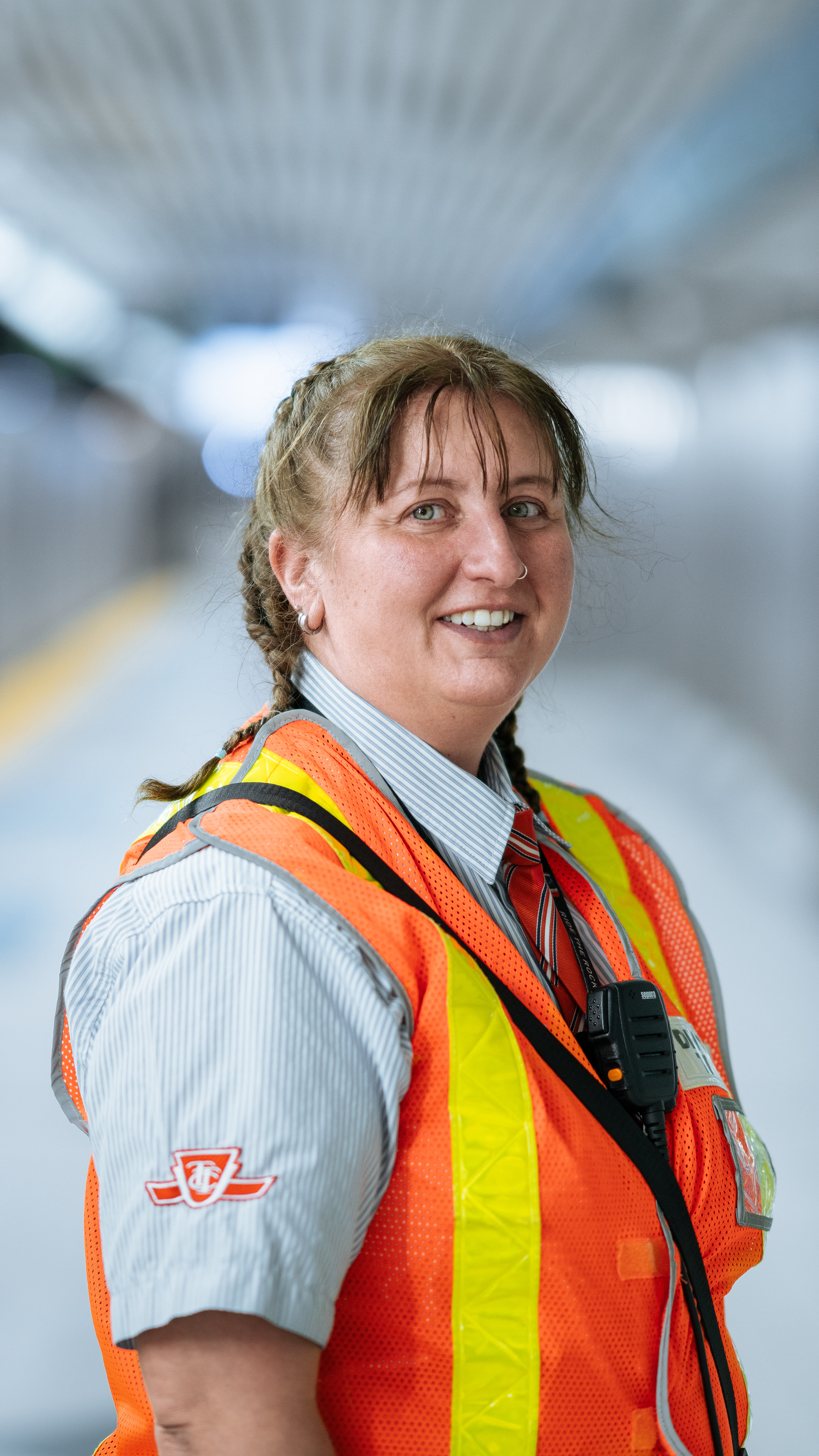
Meet: Mili, Customer Service Agent, Vice President Danforth Recreation
Years at the TTC: 16 years

Meet: Nathaniel, Customer Service Agent
Years at the TTC: 3 years
As a Customer Service Agent, what do you do?
Nathaniel: I help customers safely and confidently navigate the TTC. That can mean providing directions, explaining fares and PRESTO, assisting customers with accessibility needs, responding to service disruptions or reporting safety concerns. I also monitor station conditions, communicate information and help manage customer flow.
Because I am often one of the first TTC employees customers encounter, I understand that my attitude and actions can shape their entire experience with the transit system. A clear explanation, an alternative route or simply taking the time to listen can make a significant difference, especially for tourists, seniors, customers with disabilities or people already experiencing a stressful day.
Mili: My job is to help ensure a safe, smooth, and welcoming experience. I'm there to keep things moving and make sure everyone gets where they need to go safely. Sometimes it's something big, like helping someone during a medical emergency or reuniting a lost child with a parent, and sometimes it's something small, like helping a newcomer figure out which bus to take to a job interview. A little help at the station can completely change someone's day.
What attracted you to this role?
Mili: What attracted me to this role was the chance to help people every single day. Toronto is such a diverse city, and the TTC connects all of it. I wanted a role where I could be out in the community, interacting with people, solving problems in real time, and being part of something that millions of people rely on.
Nathaniel: I was attracted to this role because it combined my customer-service experience with my background and interest in public transit. Having previously worked as a transit operator and in other customer-facing positions, I understood how important reliable transportation is to people’s everyday lives. I wanted an opportunity to serve Toronto’s diverse communities while building a long-term career with the TTC.
What does a typical day look like?
Nathaniel: My schedule can include daytime, evening, overnight, weekend and holiday shifts because the TTC operates every day. At the beginning of my shift, I receive information about station conditions, service changes or ongoing incidents. Throughout the day, I assist customers, monitor the station, respond to emergencies and communicate service information. No two shifts are the same, so I always have to remain alert, flexible and prepared.
Mili: A typical day depends on the shift. I might start at 5:30 a.m. to open a station for the morning rush, or work until 2 a.m. closing. My shift is eight hours. Throughout the day I'm on my feet, patrolling the station, monitoring fare gates, and checking in with customers.
What’s the biggest misconception about your role?
Mili: The biggest misconception is that we just sit in the booth. There is so much more to it. We’re constantly monitoring cameras, listening to radio communications, assisting with fare questions, responding to alarms, helping customers with mobility devices, and being the first responder if someone needs help. It's a very active, hands-on role.
Nathaniel: We also regularly encounter unpredictable situations and must make quick decisions. This role requires us to balance customer service, safety awareness, emergency response, accessibility assistance, fare knowledge and communication. It’s much more active and demanding than many people realize.
What’s the most challenging part of your job?
Nathaniel: The most challenging part is helping customers during service disruptions or emergencies. Customers may be frustrated, anxious or unfamiliar with alternative routes, while information and station conditions can change quickly. In those situations, I have to remain calm, provide the most accurate information available and help people find a safe way forward. These moments require patience, sound judgment and strong communication.
Do you have a favourite on the job memory?
Mili: My favourite memory was helping an elderly customer who was lost and trying to get to her grandson’s graduation. She was very nervous about taking the subway. I walked her to the platform, made sure she got on the right train, and called ahead to the next station so my colleague could meet her. A week later, she came back with a thank-you card from her grandson. Moments like that remind me why I enjoy my job.
Has working at the TTC changed the way you see public transit?
Mili: Absolutely. Working here has given me a whole new appreciation for what it takes to move this city. I now see the thousands of people behind the scenes who all work together to make one trip possible. I have so much respect for public transit and I’m very proud to be a part of it.
Nathaniel: Working at the TTC has given me a much deeper appreciation for everything required to keep Toronto moving. Customers usually see the train, bus or streetcar that carries them, but behind every trip is a large team of operators, station employees, maintenance workers, supervisors, controllers and other professionals. I now view public transit not simply as transportation, but as an essential public service that connects people to employment, education, health care, family and opportunity.