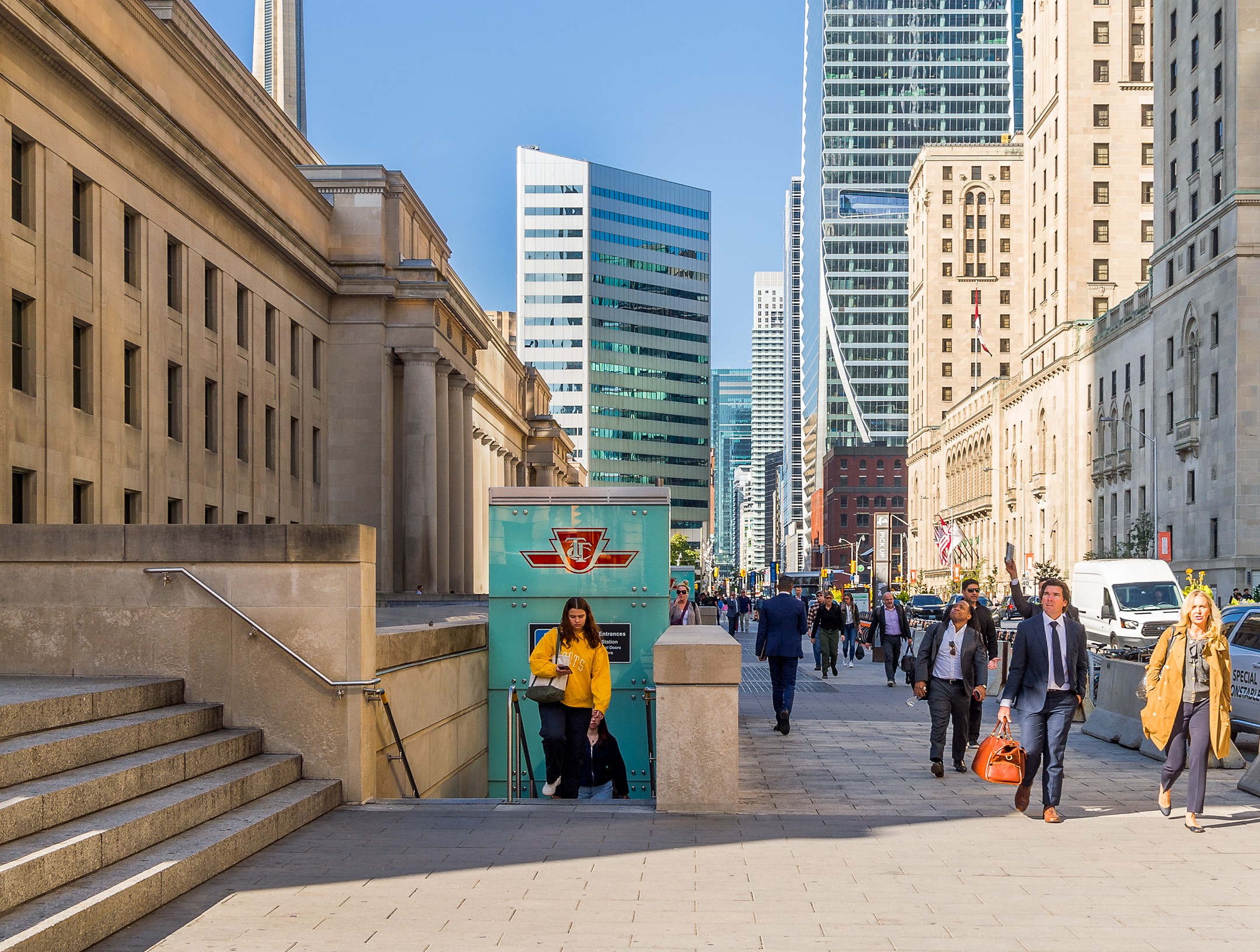
Station Spotlight: Union Station
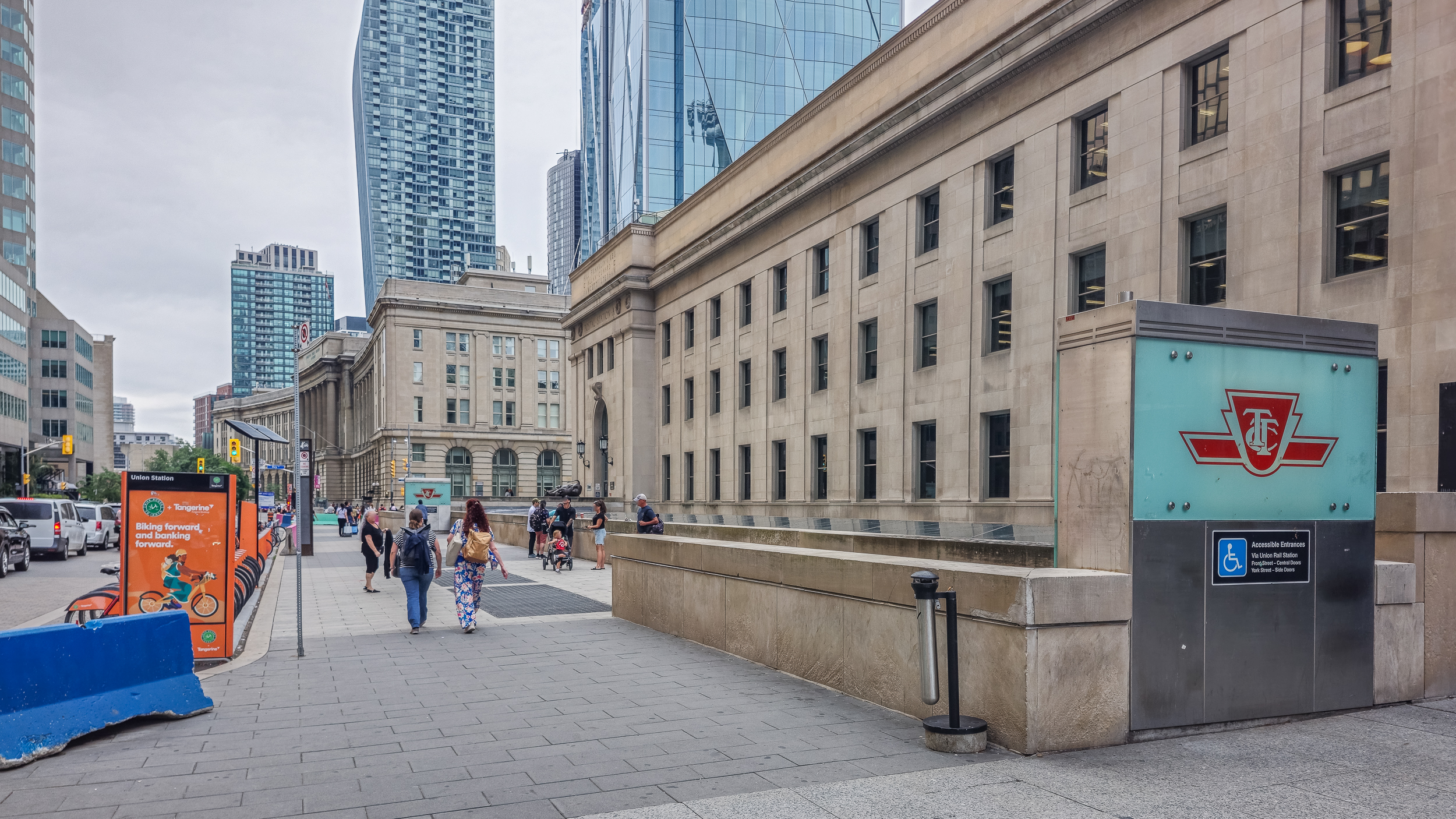
Every TTC station has a story to tell. In our Station Spotlight series, we'll take a deeper look at the TTC's stations by exploring their history, design, interesting facts, and more. And there's no better place to start than the iconic Union Station.
History
The TTC’s connection to this historic landmark station began in 1954 with the opening of Canada’s first subway line. Union Station’s own story, however, goes all the way back to 1858. Originally serving as a unified track system for competing 19th-century railway lines, the station became Canada's gateway for millions of arriving immigrants. As the surrounding city grew and boomed economically, the terminal positioned itself at the centre of Toronto’s civic identity.
Since then, Union Station has survived the Great Toronto Fire of 1904, been designated as a National Historic Site in 1975 and, over the decades, undergone major transformational revitalization.
As Toronto’s population increased, so did ridership at Union Station helping to cement the site as the busiest transit hub in the country. When the subway station first opened in 1954, the 15-minute rush-hour journey from Eglinton to Union represented a significant shift in speed for passengers who had long depended on the slower, street-level streetcar network.
The TTC continued to expand the network to meet the demands of a growing city. In 1963, the line was extended from Eglinton, south to Union, and back north to St. George allowing for seamless movement turning Union Station into a southern turning point of a newly expanded U-shaped subway line.

City of Toronto Archives, Fonds 200, Series 1465, File 117, Item 86
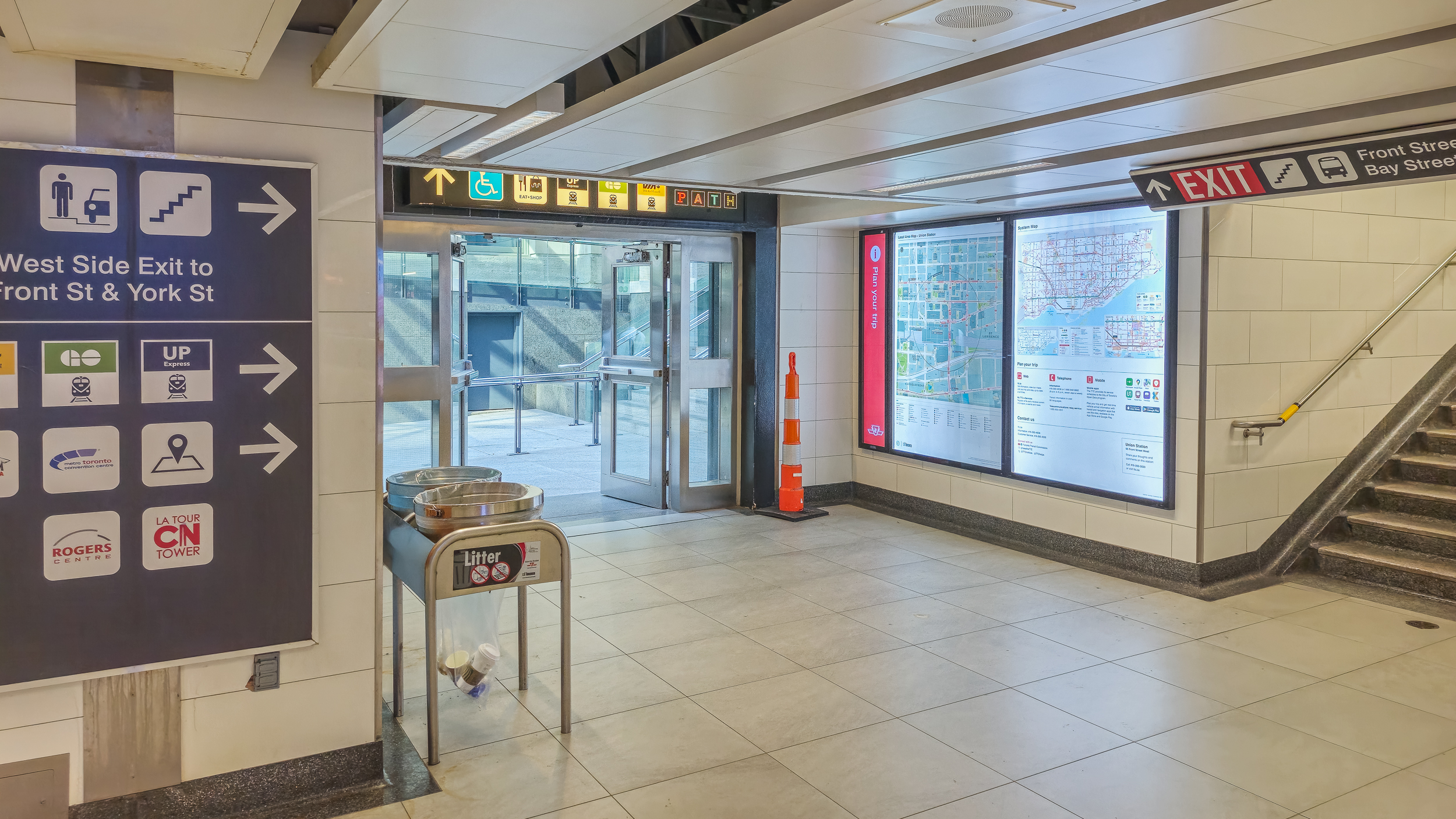
In 1976, Union Station unlocked a major retail milestone with the opening of the Merchant Mall and the PATH network, giving commuters direct underground access to and from the subway. Under the city's expanding PATH network, the station's underground connections continued to evolve, linking commuters directly from the subway gates into emerging retail concourses and downtown landmarks, while also shielding commuters from the city’s harsh winter weather.
In 1990, the TTC opened an integrated underground streetcar loop at Union Station that connected the subway to the waterfront (via the 509 Harbourfront) and in 1997 would allow direct access (via the 510 Spadina) into vibrant, high-density commercial zones not covered by the subway.
Today, Union Station plays a pivotal role as Canada’s busiest transit hub, connecting passengers to destinations across Toronto and the Greater Toronto Area.
Art and Architecture
While the terminal above ground showcases historic Beaux-Arts architecture, —a grand, 1900s style made famous for its massive columns and symmetry— the TTC’s subway station underneath is a modern, high-capacity design.
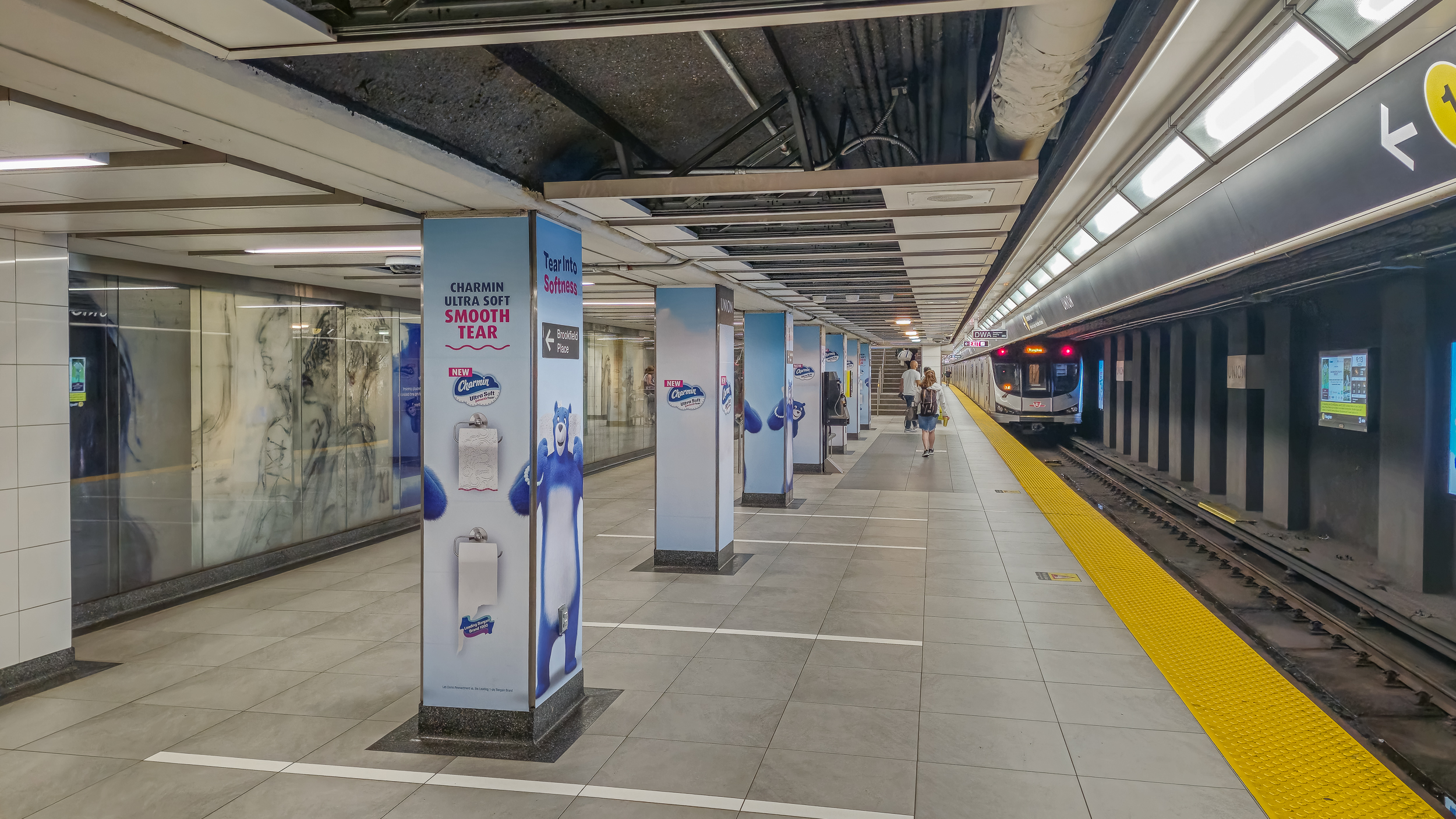
In 2014, to support Toronto's rapid growth and ease heavy overcrowding, a parallel second platform was built. This expansion split the station into two distinct boarding platforms based on Line 1's U-shaped layout. The newer platform serves trains heading up the east leg of the U toward Finch (via Yonge). Meanwhile, the original platform serves trains heading up the west leg toward Vaughan (via University).
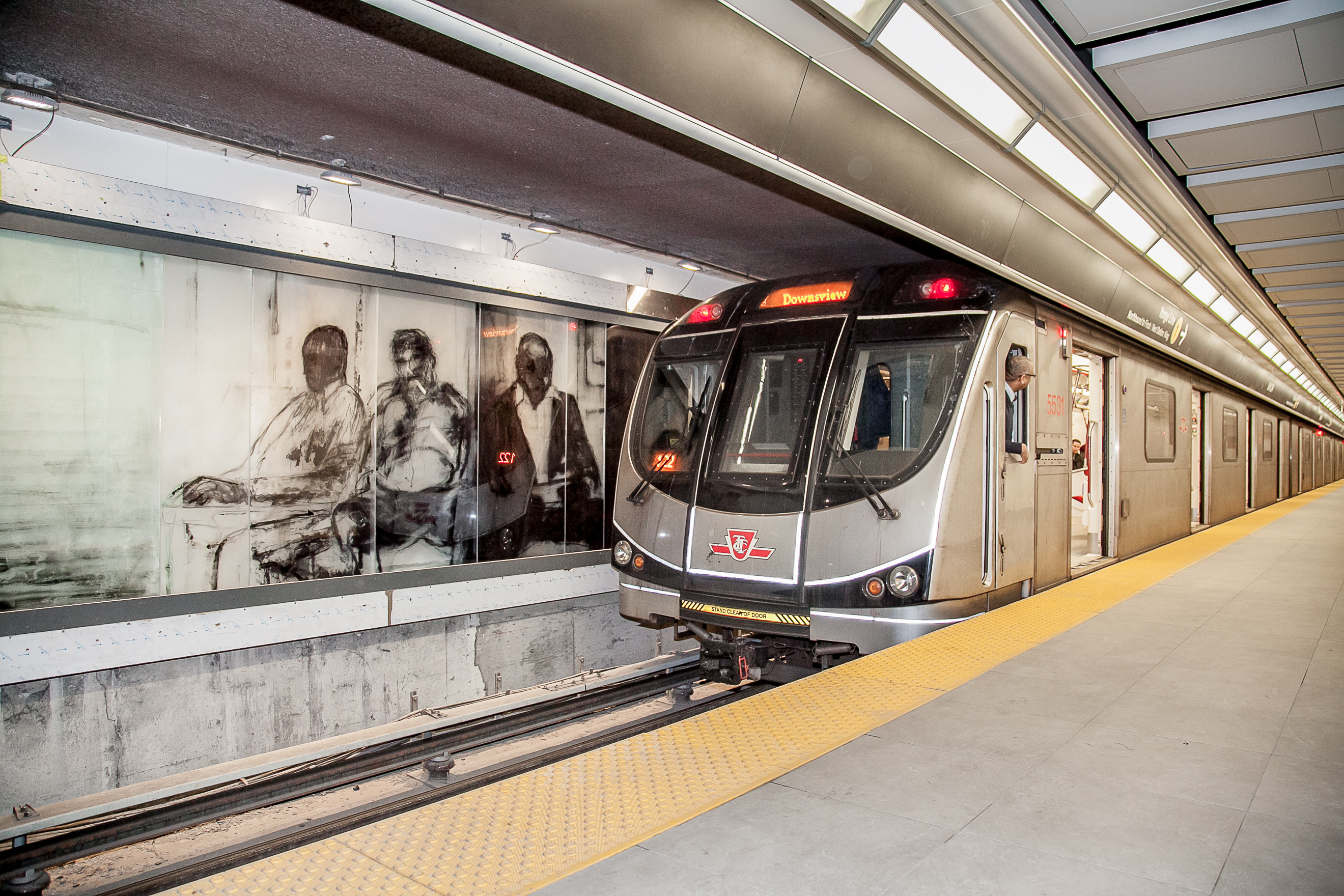
As part of this revitalization, running the entire length of this platform is Canadian artist Stuart Reid's Zones of Immersion, a 500-foot-long glass mural developed over six years. Considered one of the largest permanent public art projects in Toronto history, this piece integrates 160 hand-wrought panels directly into the station’s structural frame to reflect the faces of daily commuters.
Beyond the Station
Stepping out of Union Station puts you in the centre of Toronto’s sports and entertainment district. Head down the covered walkways to iconic neighbouring destinations like the CN Tower, Rogers Centre, and Scotiabank Arena to catch a game, a concert, or take in the city skyline.
Looking to explore further? Union Station acts as your gateway to the city, connecting you directly to historic marketplaces, downtown retail hubs, and scenic waterfront trails.
Best of all, you can easily hop on a TTC train, streetcar, or bus to get to one of Toronto’s many vibrant cultural neighbourhoods or parks. Whether you are a local heading to a game or a visitor exploring the city, Union Station makes it easy to discover some of the many attractions around Toronto.
Then and Now
Take a look below to see just how much has changed through these before-and-after looks at the station over the decades.
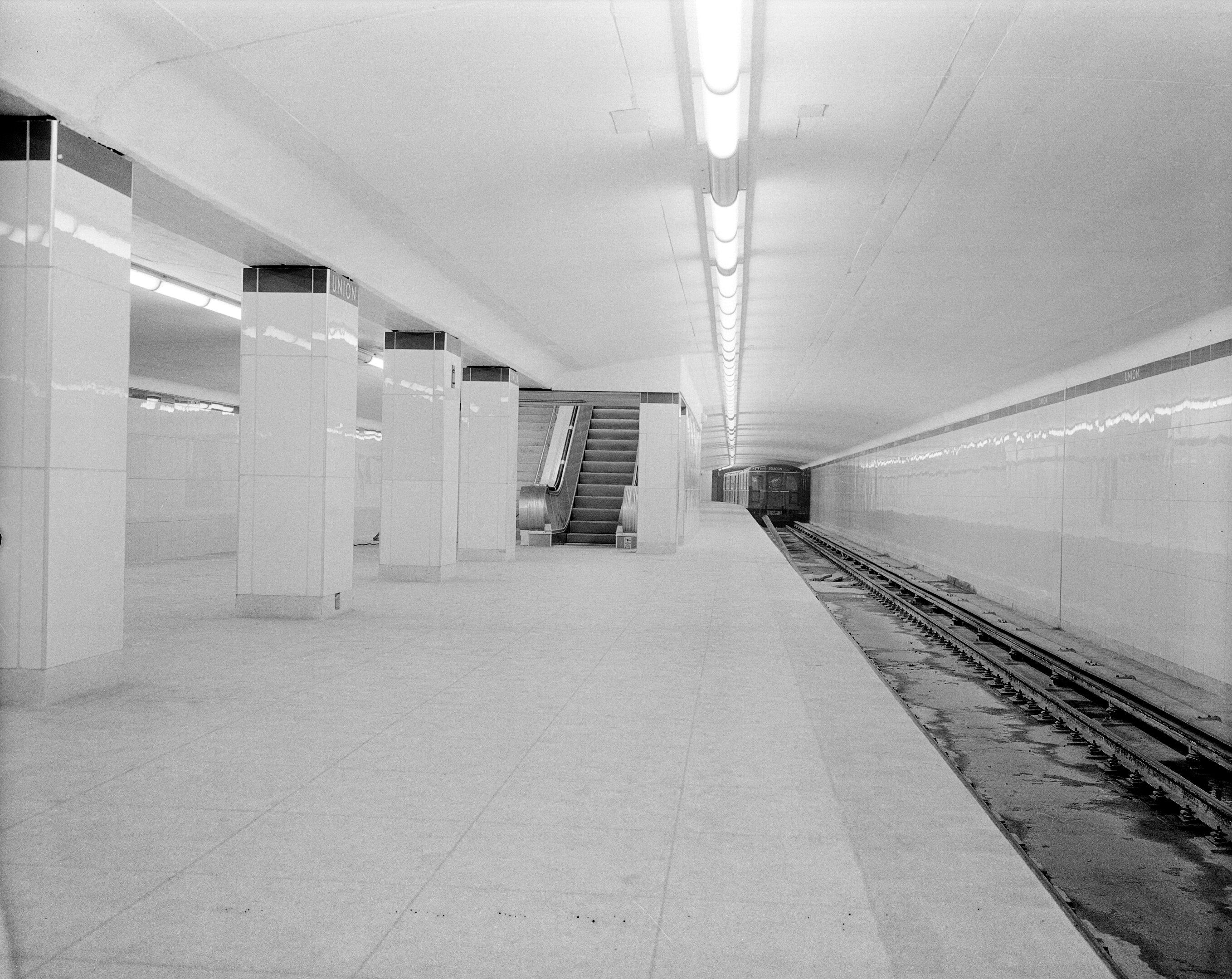
City of Toronto Archives, Fonds 1128, Series 381, File 277
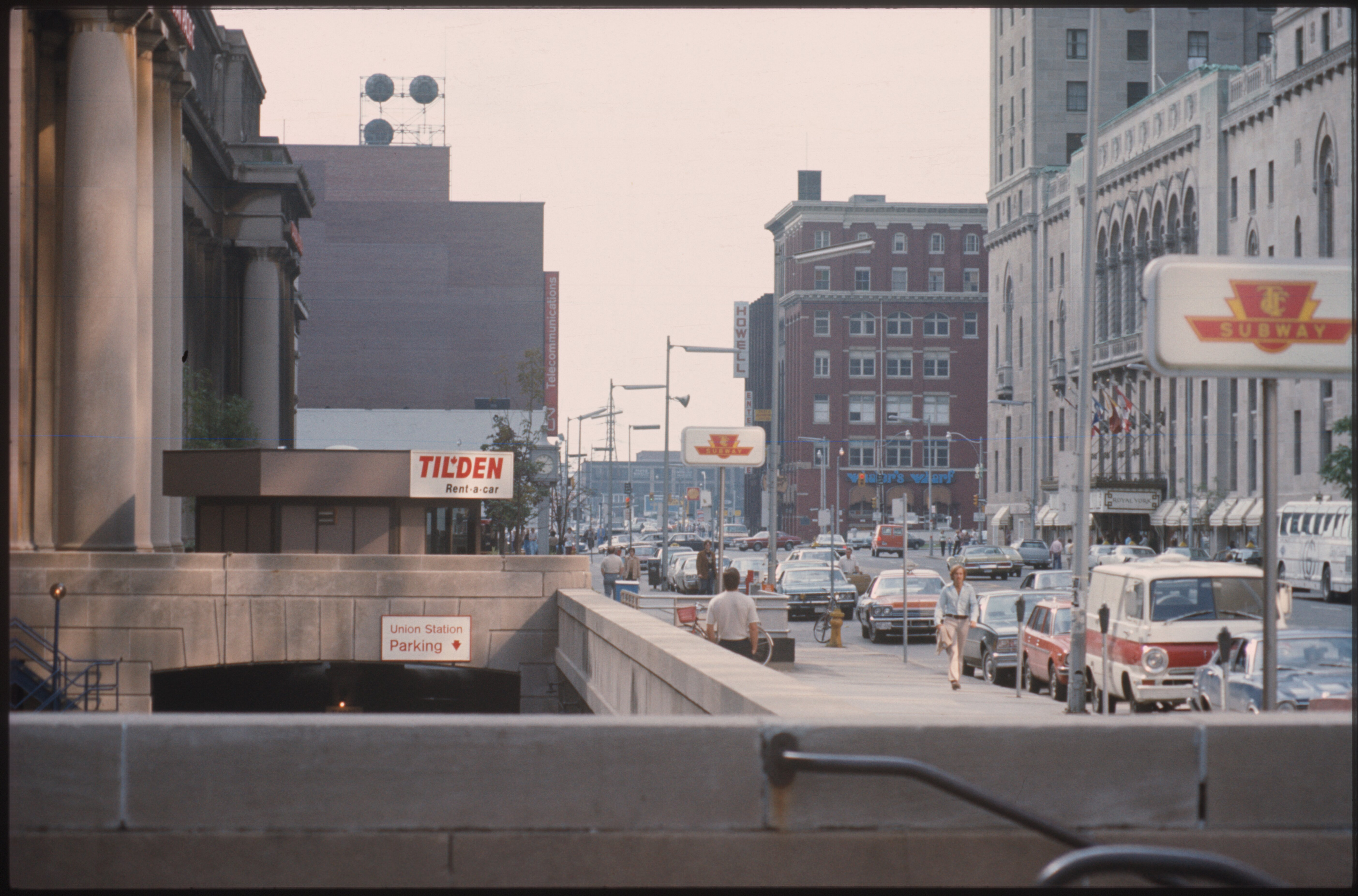
City of Toronto Archives, Fonds 200, Series 1465, File 429, Item 15
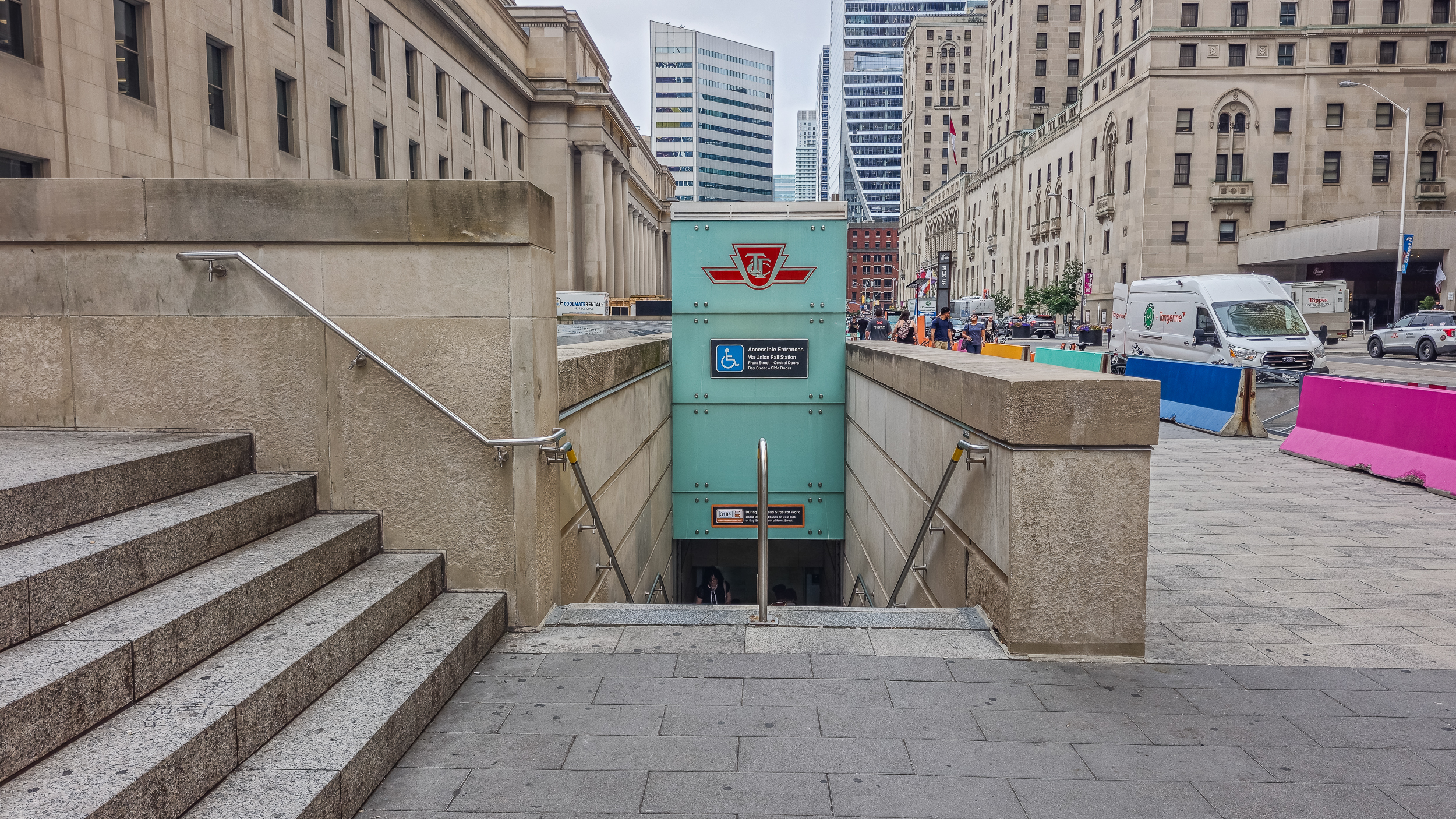
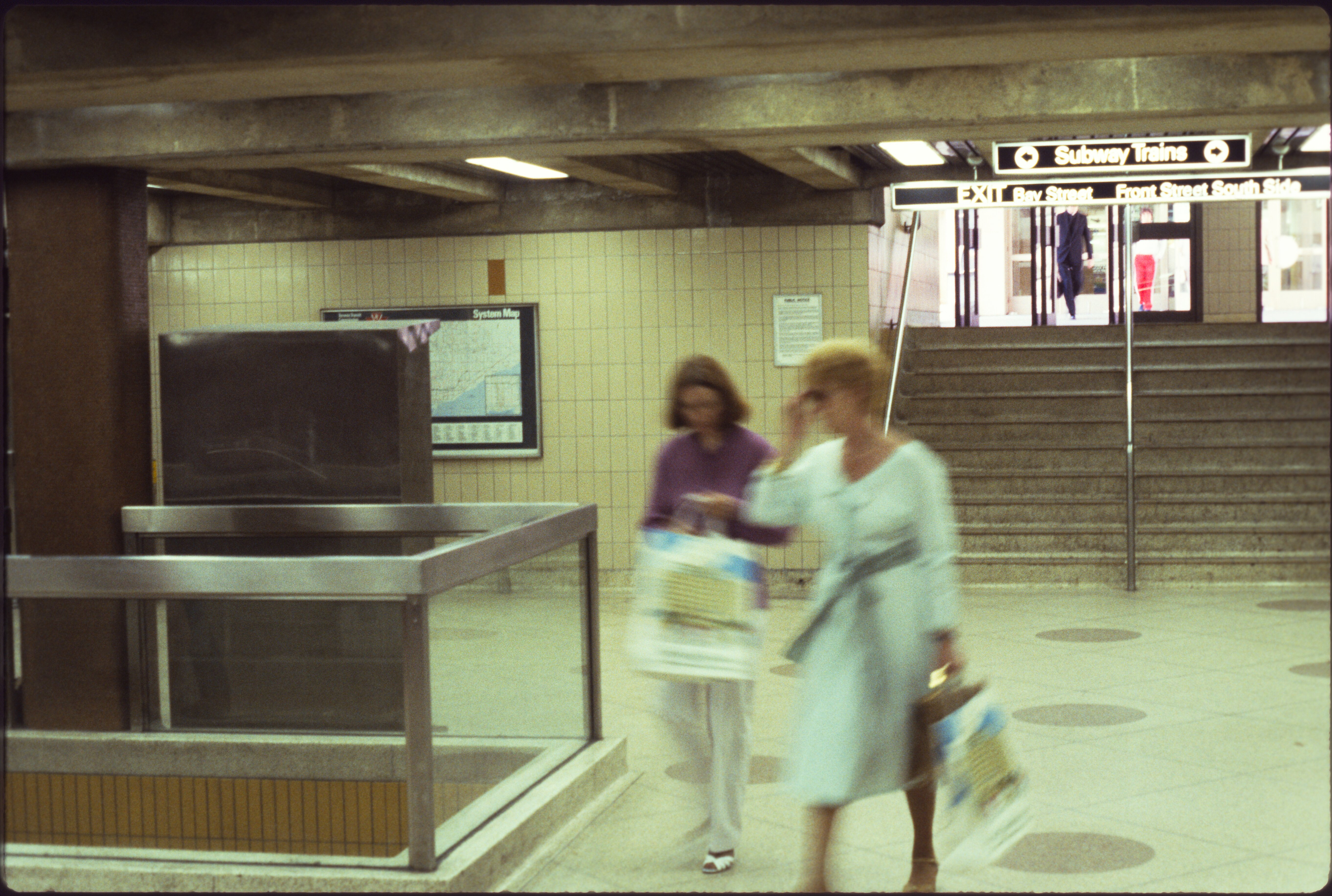
City of Toronto Archives, Fonds 200, Series 1465, File 137, Item 8
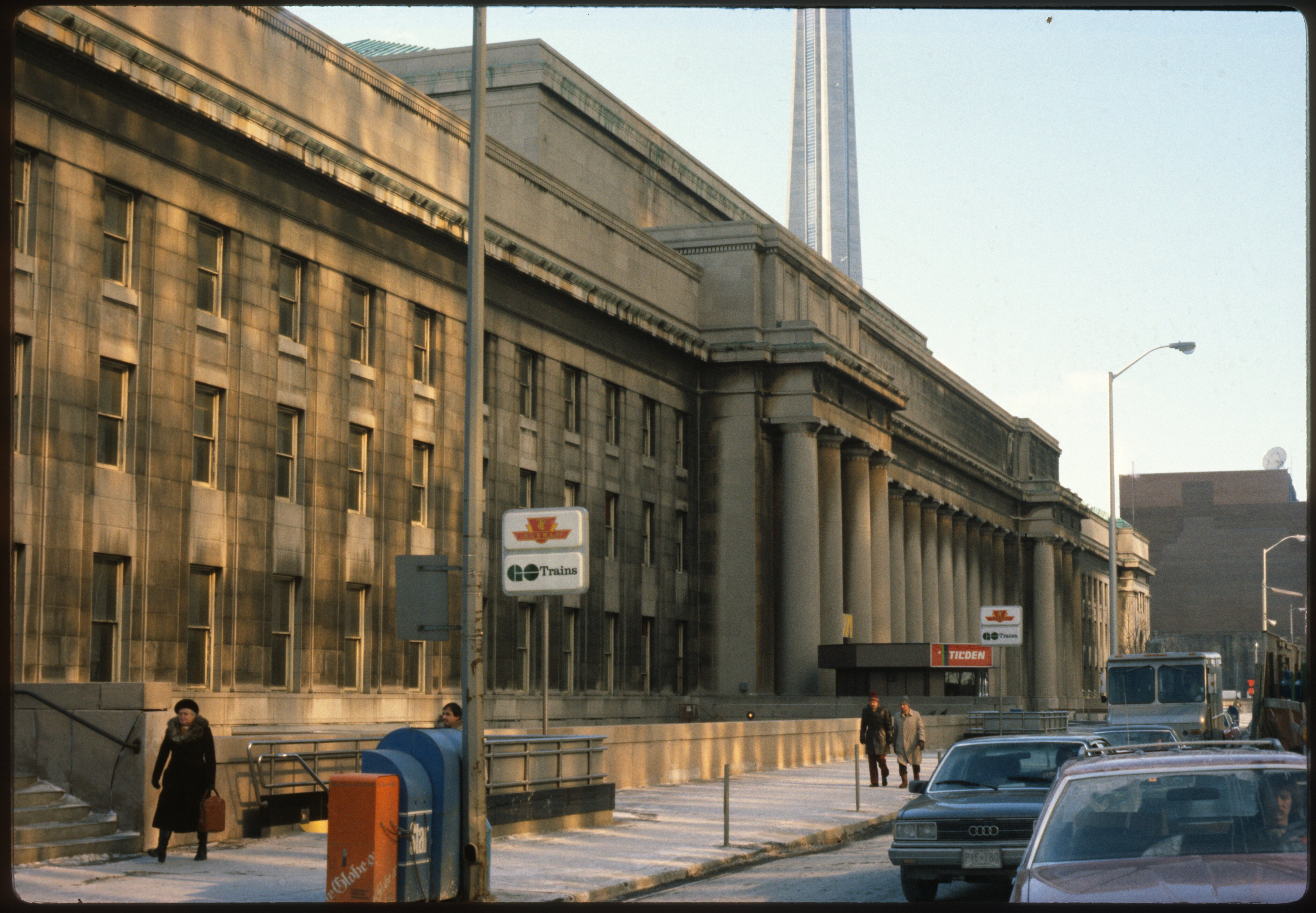
City of Toronto Archives, Fonds 200, Series 1465, File 355, Item 33