

Subway Platform Pilot at TMU Station
Improving safety for TTC Customers
The TTC is committed to making Toronto's transit system safer, more reliable, and more comfortable for everyone who uses it.
In May 2026, the TTC unveiled a suite of measures that will enhance customers’ sense of safety in the report, “Advancing Safety on the TTC: 2026 Focus Areas”. One measure in the report included the subway platform safety pilot at TMU Station. This pilot includes the installation of 14 steel platform barriers along portions of the north and southbound station platforms at TMU Station. The pilot also includes camera-based track intrusion technology that can identify a person on the tracks and immediately notify Transit Control. Together, these measures are intended to help deter unauthorized access to the track area, identify potential incidents more quickly to improve response times, and assess customer flows.
The pilot is now being rolled out at TMU Station and will include consultation with customers, assessment and evaluation. Customers are invited to complete a short survey to share their feedback on the pilot.
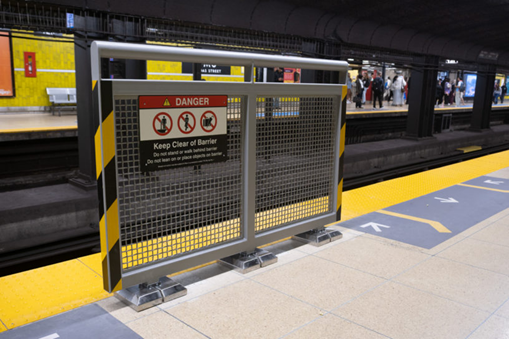
Why is the TTC testing platform barriers?
Track intrusions can occur when someone intentionally or unintentionally enters the track area. These incidents can affect customer feelings of safety, disrupt service, and create delays across the network.
The TTC continually evaluates safety improvements used by transit agencies around the world. The TMU Station safety pilot is based on learnings from other systems that will help us assess how platform barriers perform in a Toronto transit environment and whether they contribute to an improved customer experience.
In addition to the barriers, the pilot includes camera-based track intrusion technology that can identify a person on the tracks and immediately notify Transit Control. Together, these measures will help the TTC evaluate potential ways to improve safety and reduce service disruptions.
The barriers are designed to:
-
Help discourage access to the track area.
-
Improve customer comfort and confidence while waiting for trains.
-
Support efforts to reduce service disruptions caused by identifying an individual on the tracks and immediately notifying the Transit Control Centre.
-
Complement other safety initiatives, including enhanced staffing and track intrusion detection technology.
TMU Station platform safety pilot project
The installation at TMU Station is a pilot project, meaning it is being tested, monitored, and evaluated before any decisions are made about broader implementation. The pilot will evaluate both the benefits and operational impacts of platform barriers.
As the pilot progresses, the TTC will review operational performance, customer feedback, safety outcomes, accessibility insights, maintenance requirements, and overall effectiveness. Lessons learned will help inform future decisions about platform safety investments across the subway network.
As part of the evaluation, TTC will also monitor customer movement, evacuation performance, accessibility, and any unintended operational impacts.
The TTC continues to study a range of platform safety options, including full platform edge doors, while advancing practical solutions that can be implemented more quickly and cost-effectively.
Learning from New York City
The TTC's pilot is informed by similar safety initiatives implemented by the Metropolitan Transportation Authority (MTA) in New York City. The MTA began testing similar platform barriers in 2024 and has since expanded the program significantly.
Following the initial pilot installations, the MTA accelerated deployment across its network. By mid-2026, platform barriers had been installed at more than 150 stations, with additional installations continuing throughout the system.
New York's experience suggests that platform barriers can help reduce objects ending up on the tracks while improving customers' sense of safety on the platform.
New York's experience demonstrates how targeted safety investments can be introduced rapidly while transit agencies continue to evaluate longer-term solutions. The TTC will closely monitor the results of this pilot and apply those findings to future planning and investment decisions.
Looking ahead
The pilot started in September 2026, with the first barrier installed on the northbound platform at TMU Station. Additional cameras and barriers are being installed as part of the project, with all expected to be in service by the end of September. The TTC has been monitoring the pilot as each phase is implemented and will continue evaluating its performance after the full installation is complete.
The TTC's approach to subway safety includes a combination of infrastructure improvements, technology, operational measures, and customer support programs. The subway platform safety pilot at TMU Station represents an important step in evaluating new tools that can help improve safety and reliability for customers.
As the pilot progresses, the TTC will continue to monitor performance, gather customer feedback, and share updates. After the full installation is complete, the TTC will evaluate the barriers' effectiveness, customer movement on the platform, and overall customer experience. The results will help guide future decisions about platform safety improvements across the subway network.
Together, we are working toward a safer and more reliable transit system for everyone.
Share your feedback
The TTC is seeking customer feedback on the subway platform safety pilot at TMU Station through a short survey. Your input will help the TTC evaluate the pilot and inform decisions about potential next steps.
-
Why is the TTC installing platform barriers?
The TTC is testing platform barriers as part of a pilot project to enhance customers' sense of safety, provide a physical barrier between customers and subway tracks to reduce the risk of individuals on the tracks, and support faster responses to track-level incidents and minimize service disruptions caused by incidents on the tracks. The pilot will allow the TTC to evaluate how the barriers perform at TMU Station before considering broader implementation.
-
How will the barriers improve safety?
The barriers are intended to discourage access to the track area and create a more defined waiting area for customers. They will also work alongside camera-based track intrusion technology, which can help identify incidents more quickly and support faster operational responses.
-
Will customers still be able to board trains normally?
Yes. The barriers have been designed to maintain clear access to train doors and passenger circulation areas. Customers will continue to enter and exit trains as they do today. The pilot will help the TTC assess customer movement and overall platform operations.
-
Are these the same as platform edge doors?
No. The barriers being installed at TMU Station are not full platform edge doors.
Platform edge doors create a continuous barrier between customers and the tracks and open only when trains are in the station.
-
Why doesn't the TTC install platform edge doors immediately?
Platform edge doors require substantial station modifications, significant funding, and installation staging. Studies have identified implementation challenges related to station design, train operations, and system-wide compatibility.
-
How will the barriers affect accessibility?
Accessibility insights will continue to be monitored throughout the pilot. The TTC included the Advisory Committee on Accessible Transit’s (ACAT) input during the design of the pilot.
The barriers are being installed to maintain accessible pathways along the platform and preserve access to boarding areas, elevators, escalators, and other station amenities. The TTC will monitor the pilot and gather feedback from accessibility advocates, customers, and community organizations to ensure the barriers meet customer needs.
-
Will the barriers create crowding on the platform?
The TTC is carefully considering customer movement and platform circulation when designing the pilot. The barriers are intended to improve the organization of customer waiting areas while maintaining access points for boarding and exiting trains.
As part of the pilot, the TTC will monitor customer flow, crowding, and platform operations to identify opportunities for improvement.
-
Why was TMU Station selected for the pilot?
A number of factors were considered when deciding where to pilot these new safety initiatives.
TMU Station was selected because it experiences high customer volumes and provides an opportunity to evaluate the barriers in a busy downtown transit environment.
The lessons learned from TMU Station will help inform future decisions regarding platform safety improvements across the network.
-
Has this approach been used elsewhere?
Yes. The TTC's pilot was informed by similar platform barrier installations in New York City's subway network.
Following initial pilot installations in 2024, the Metropolitan Transportation Authority (MTA) expanded the program significantly and has installed barriers at more than 150 stations as part of its broader safety strategy. The TTC will monitor the results of its own pilot while continuing to learn from the experience of other transit agencies.
Learn more about MTA subway platform barriers.
-
Will more stations receive platform barriers?
The TTC will evaluate the results of the TMU Station pilot, including safety performance, customer experience and flow, operational impacts, accessibility insights, maintenance requirements, and stakeholder feedback. The findings will help inform future investment decisions and potential expansion opportunities.
-
How can customers provide feedback?
Customer feedback is an important part of the pilot evaluation process, and customers can complete a short survey about the subway platform safety pilot at TMU Station. Feedback from customers, the Advisory Committee on Accessible Transit (ACAT), accessibility advocates, community groups, and other stakeholder groups will help inform future decisions regarding platform safety improvements across the subway network
-
What other measures is the TTC taking to improve subway safety?
The platform pilot is one part of the TTC’s broader safety and security approach. Other measures include:
- Increased TTC staff and security presence in stations and on vehicles.
- Expanded use of cameras and other safety technologies.
- Improved connections to shelter, outreach, and social supports for vulnerable people.
- Customer safety tools, including the SafeTTC app, Designated Waiting Areas, Passenger Assistance Intercoms, and Emergency Alarms.